
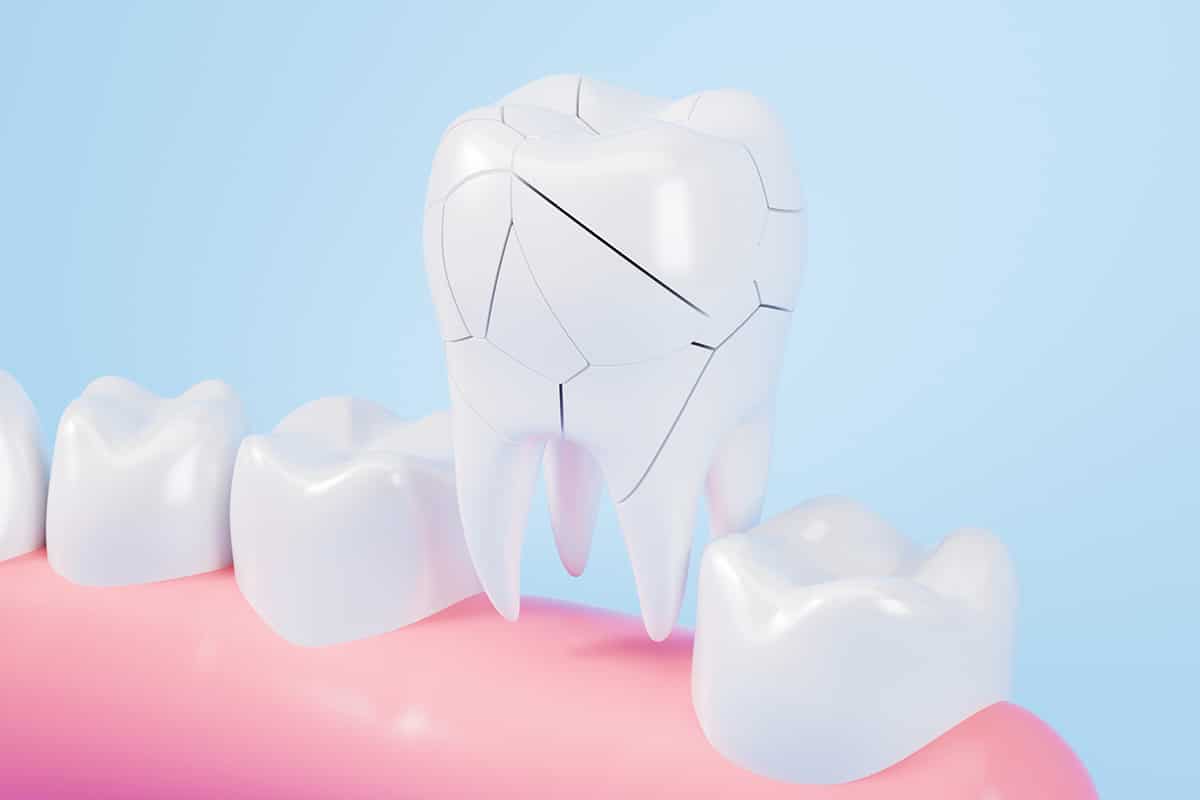
If you have ever felt a sharp pain while biting down or a bit of sensitivity when taking a sip of your morning coffee, you may have hoped the issue would go away on its own. But when it comes to a cracked tooth, waiting it out without treatment is not usually the best approach. This delay in care often allows the problem to get worse.
Let’s take a moment to gain a deeper understanding of cracked teeth so that you can make the right decision for your oral health.
Can a Cracked Tooth Heal Naturally?
Unlike other parts of the body, teeth do not have the ability to heal themselves. So, once a crack forms, it will not undergo a repair naturally or grow back together on its own. This is because tooth enamel does not regenerate, and cracks can continue to spread over time as we chew and use our teeth daily.
Even if pain comes and goes, it doesn’t mean that the crack is healing or has healed. This intermittent pain is just another sign that you have a cracked tooth. Ignoring the symptom can allow the damage to continue to progress deeper into the enamel.
A Cracked Tooth Will Get Worse if Untreated
Biting and chewing put immense pressure on teeth. When you have a tooth that is cracked, it is already weakened. So, this repeated stress can cause the crack to expand even more. As time passes, it may even work its way into the inner pulp of the tooth, where nerves and blood vessels are located.
Once this inner layer becomes affected, pain and sensitivity often get worse, and signs of infection tend to appear, especially swelling. If you reach this point, more advanced treatment is often necessary to save the tooth.
Signs You Should Never Ignore
Some cracks are not as noticeable as others. But there are a few warning signs that you should not overlook. If you experience any of the following, it is important to seek evaluation right away from an endodontist in Towson, MD.
- Pain when biting or chewing
- Sensitivity to hot, cold, or sweet foods and beverages
- Discomfort that comes and goes
- Swelling in the area of the affected tooth
Remember, early detection can make a huge difference in the type of treatment needed.
Treating a Cracked Tooth
If a cracked tooth will not heal on its own, how do endodontists treat it? It depends on how deep and severe the crack is. In some instances, a dental crown can protect the tooth and prevent the crack from spreading further. But if the pulp is involved, endodontic treatment, known as a root canal, may be required.
Root canals involve removing the damaged or infected pulp, cleaning the inside of the tooth, and then resealing it to prevent further issues. It allows the natural tooth to be saved while also eliminating the pain and infection.
If, however, the crack extends below the gumline, it may not be able to be saved. This is why it is so important to act quickly when you see a crack or notice any symptoms. After all, it is always our goal to do what we can to save your tooth.
Frequently Asked Questions
Is it safe to wait if the pain from a cracked tooth goes away?
No, even when the pain subsides, the crack remains, and it can get worse over time. Have the tooth evaluated as soon as possible to prevent additional damage.
What happens if a cracked tooth is left untreated?
Without treatment, a cracked tooth can deepen, leading to infection, severe pain, and potentially even tooth loss. Early treatment can preserve the tooth.
At Towson Endodontics, we are dedicated to saving natural teeth with the utmost compassionate care. Our experts are skilled at treating cracked teeth, as well as a long list of endodontic treatments. If you have tooth pain or suspect your tooth is cracked, don’t ignore it. Schedule an appointment today.